The Controversial Subject: Who’s Making the Music?
AI, musicians, creativity, and the big elephant in the room.
AI, Musicians, and the Big Elephant in the Room
Who’s making the music?
This topic has been talked about a lot in the music space lately, so let’s go ahead and address the big elephant in the room: AI doing the music versus humans doing the music.
There are a lot of songwriters, musicians, producers, and creatives who feel a certain kind of way about this subject. Some feel like AI is a threat. Some feel betrayed, as if years of talent, skill, practice, sacrifice, and creativity are now being challenged by technology that can generate music in seconds.
And honestly, I understand why some people feel that way.
There is a real backstory behind every musician and songwriter who has worked hard on their craft. Many have spent years developing their sound, learning instruments, writing songs, recording in studios, performing live, and building their creative identity. So now, with AI stepping into the music space, some musicians feel like they are being forced to compete with something that never had to go through the same journey.
But at the same time, there are other musicians and songwriters who see AI differently. They see it as helpful instead of harmful. They see it as a tool, an assistant, or even a creative partner.
And by the way, I personally feel that AI can be helpful too.
Pump Your Brakes — I’m a Real Musician
Now before I get an offensive reaction from anyone, pump your brakes.
I’m a real songwriter and musician.
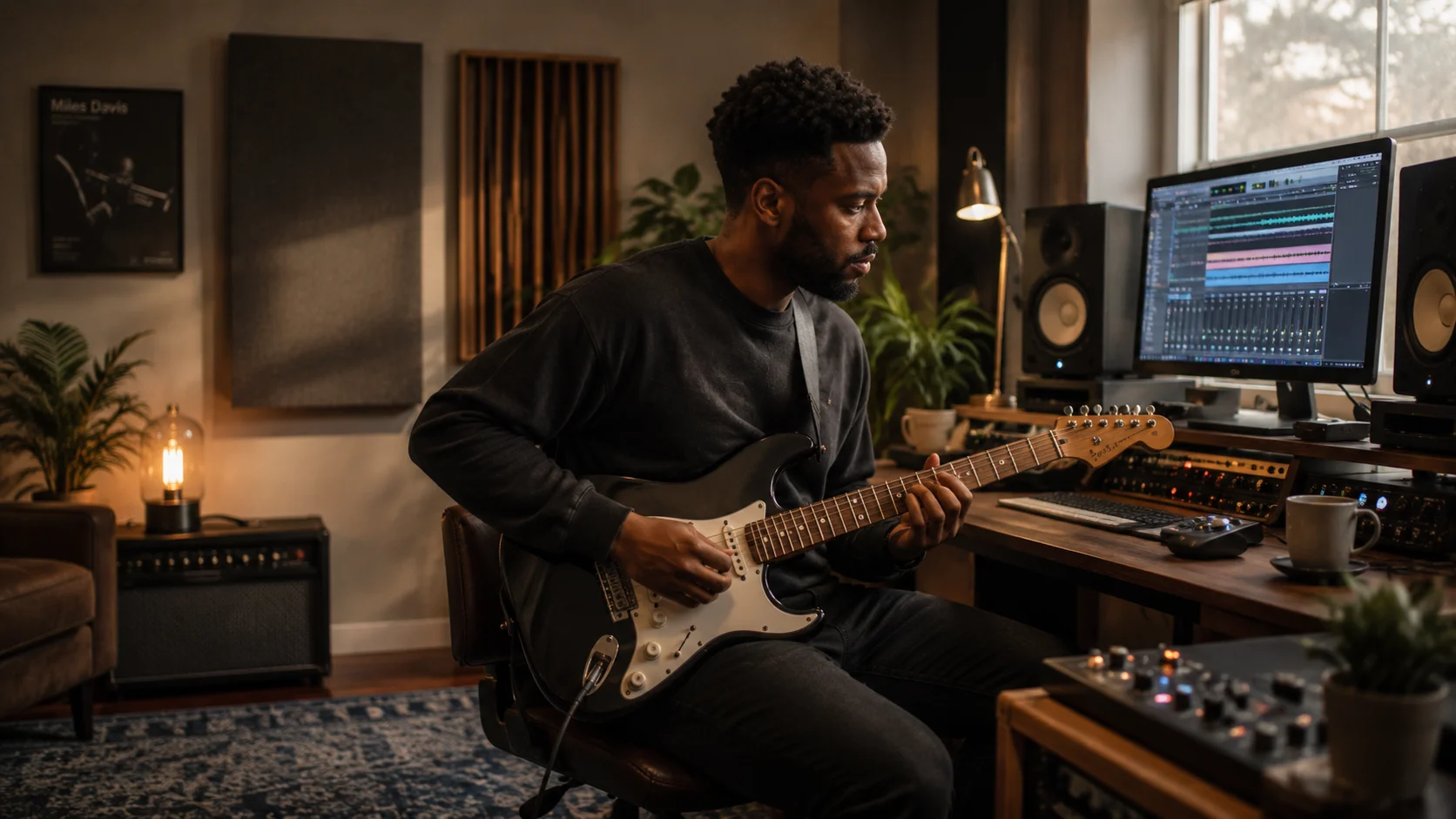
For those who may not know my musical background, let me bring this to your attention. I’ve been a musician for years. I’ve performed on major live concert tours, played on many big stages, and recorded in countless studio sessions on records both well-known and unknown.
So when I speak on this subject, I’m not speaking as someone who just discovered music through technology. I’m speaking as someone who has actually put in the work.
But my personal experience with AI has been different from what some may expect.
When AI came along, I didn’t look at it as my competition. I looked at it more like an assistant.
For example, as a writer, I can naturally create songs at a pretty fast pace. But when AI entered my workflow, it allowed me to build my song catalog even faster and on a much larger scale.
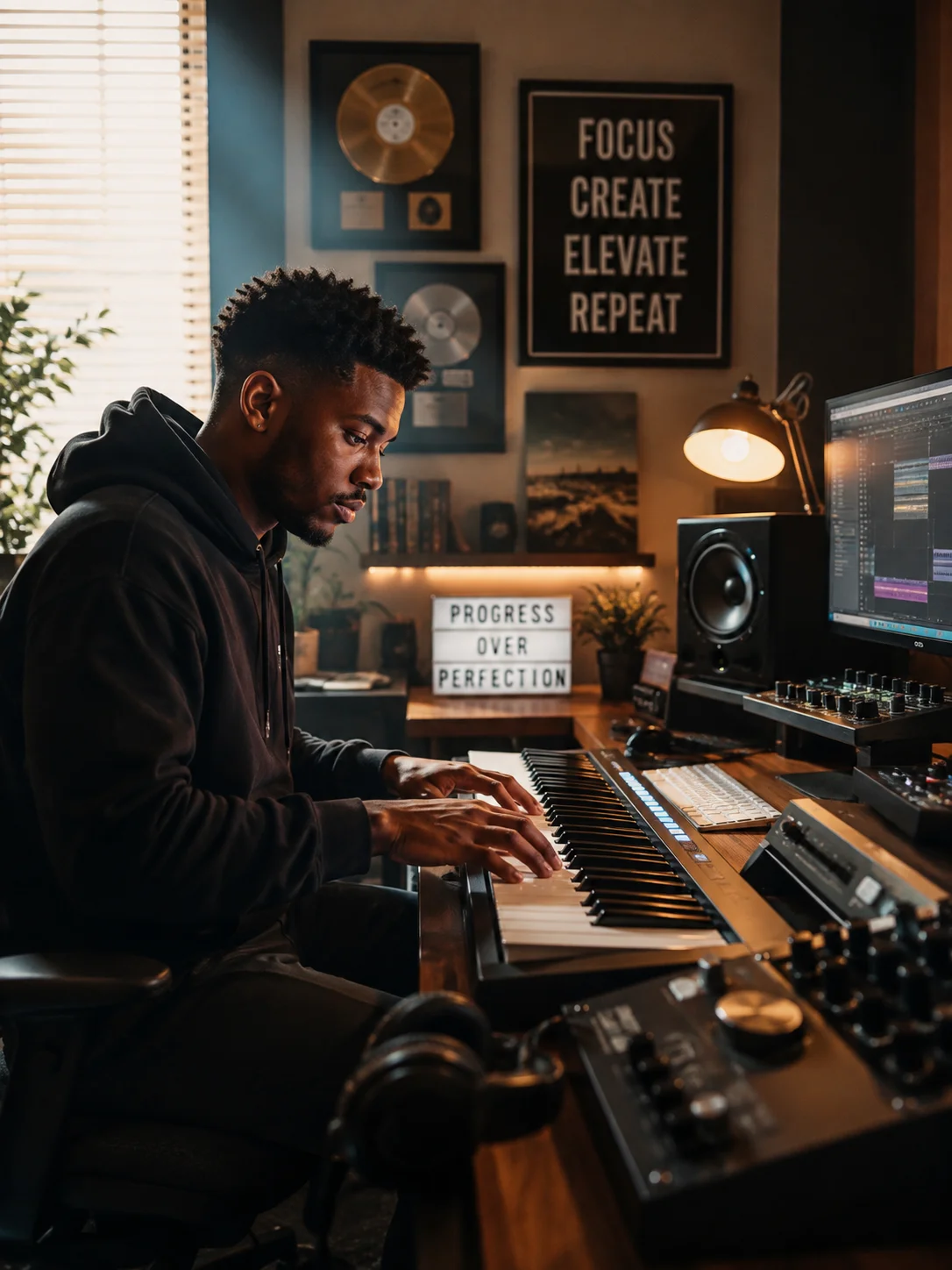
When I use AI in my creative process, I still have options. I can physically play my ideas, or I can prompt my ideas and allow AI to perform them. If prompting the idea gets me faster results, especially when I’m on a tight schedule, then I may choose that route.
That doesn’t mean I’ve lost my ability. It doesn’t mean I’m cheating. And it definitely doesn’t mean I’ve replaced my musicianship.
Let me say that again.
I can play what AI delivered.
The reason I repeated that is because if I’m a real musician who can already play my ideas, then choosing to use technology here and there has to be for a reason. And one of the main reasons is simple:
Time.
AI has helped me with time management, deadlines, and creative goals.
Looking Back at the Old-Fashioned Way
The previous articles were about the musical experiences of choosing soundtracks, recording original music, and scoring the feature movie Double Lives.
During the time of that project, the technology for using AI in music was not really on the scene yet. Back then, it was a lot of hard work compared to what would be possible right now in 2026.
The time factor would have been completely different. The musical side of the project could have moved much faster with the tools available today.
But I have no regrets.
I enjoyed doing it the way we did it. You could call it the old-fashioned way of making music for film, but honestly, it was fun. It was a real creative experience. It required patience, skill, decisions, revisions, and a lot of hands-on work.
That process taught me things that technology could never take away.
So while I appreciate what AI can do now, I still respect the journey of creating music the traditional way.
A Different Perspective for Musicians
Hopefully, my approach and mindset when using AI can give other songwriters and musicians a different perspective.
From my positive experiences with AI, I can’t take a resentful approach because I’ve seen the benefits in my workflow. It has helped lighten the load. I’m not as stretched out trying to meet deadlines like I used to be.
Now, I do think it’s fair to mention that I understand the concern.
When you have developed real skills as a musician or songwriter, and something comes along that appears to be a potential threat to those skills, it can make you feel betrayed. It can make you feel like your years of hard work are being overlooked.
That feeling is real.
But for me personally, I choose to feel grateful for having technology that can assist me.
There are even times when I prompt an idea and AI gives me a different approach than I expected. Then I take that approach and use my own playing skills to build from it. In some cases, it actually enhances my creativity and pushes me to try something different.
So instead of AI weakening my musicianship, there are moments where it actually challenges me to think differently.
Everybody Has Their Own Opinion
Everybody is entitled to have a different opinion about AI doing music.
Some people feel:
- You don’t have to have talent anymore.
- AI can hurt creativity because it does too much.
- Musicians may become lazy by not using their natural skills.
- Technology may replace real artistry.
- The emotional human side of music may get lost.
And the list goes on and on.
I’ve learned to respect another person’s opinion. That doesn’t mean we have to agree with each other, but we can still be respectful toward people who hold a different perspective.
The truth is, AI is not going away. So the bigger question may not be whether AI belongs in music. The bigger question may be:
Balance Is the Key
For me, the answer is balance.
Use the tool, but don’t lose the gift.
Use the technology, but don’t abandon the talent.
Use the speed, but don’t forget the soul.
That is where I believe the healthiest relationship with AI begins. It should help move the process forward, but it should not erase the heart, discipline, and lived experience behind the music.
At the end of the day, music still needs a human reason behind it. The technology may assist the sound, but the artist still brings the meaning.
Dedicated to the Songwriters and Musicians
This article is dedicated to my songwriter and musician family.
Hopefully, this can offer a new perspective and encourage all of us to keep using our gifts and talents to improve, grow, and enhance our skills for the world to enjoy and experience.
AI may be here, but the human spirit behind music still matters.
The ideas matter. The emotion matters. The experience matters.
The hands that have played the instruments matter.
The voices that have carried the songs matter.
The stories behind the music matter.
So whether you choose to use AI or not, never forget the value of your gift.
Technology can assist the process, but it cannot replace the real journey behind the artist.
What’s Next
Next month’s July Topics issue will be a surprise topic.
Check it out in July.
Written by NoName Musik Group
Real-world music, real-world film experience, and monthly reflections from inside the creative process.
Revisit a Previous Music Topic
From the Archive
Previous Music Topics Feature
Revisit the previous Music Topics article and continue exploring the creative process behind the music.
Read Previous Article →No Boundaries. Just Music.
At NoName Musik Group, we create soundtracks that transcend borders and genres. From films and documentaries to games and global media, our music connects cultures and powers stories.