Music Topics
The “Just Do It” Mindset
Stepping into film scoring for the first time came with fear, pressure, and uncertainty — but the only way forward was to begin.
From childhood all the way into adulthood, we all have those battles we fight within ourselves. Then came my battle to do the music score.
This was a mental hurdle I was confronted with because it is hard to see yourself in a position of doing something you have never done before. And honestly, film scoring is not an area that a lot of people would be quick to run toward.
Many of us may pursue shooting videos with a camera, attempt directing, write screenplays, or work on songs. But doing a music score can be subconsciously intimidating, quiet as kept. It can feel like a whole different lane because now the music is not just being created to stand on its own. It has to serve the picture, the emotion, the pacing, and the story.
I had already faced previous hurdles while working on this project. One major challenge was placing songs in the movie that would actually connect to the scenes. That was discussed in the previous April Music Topics, which dealt with the first-time mental barriers I encountered during that phase of the project.
But doing a musical score was a whole different challenge I had going on within myself.
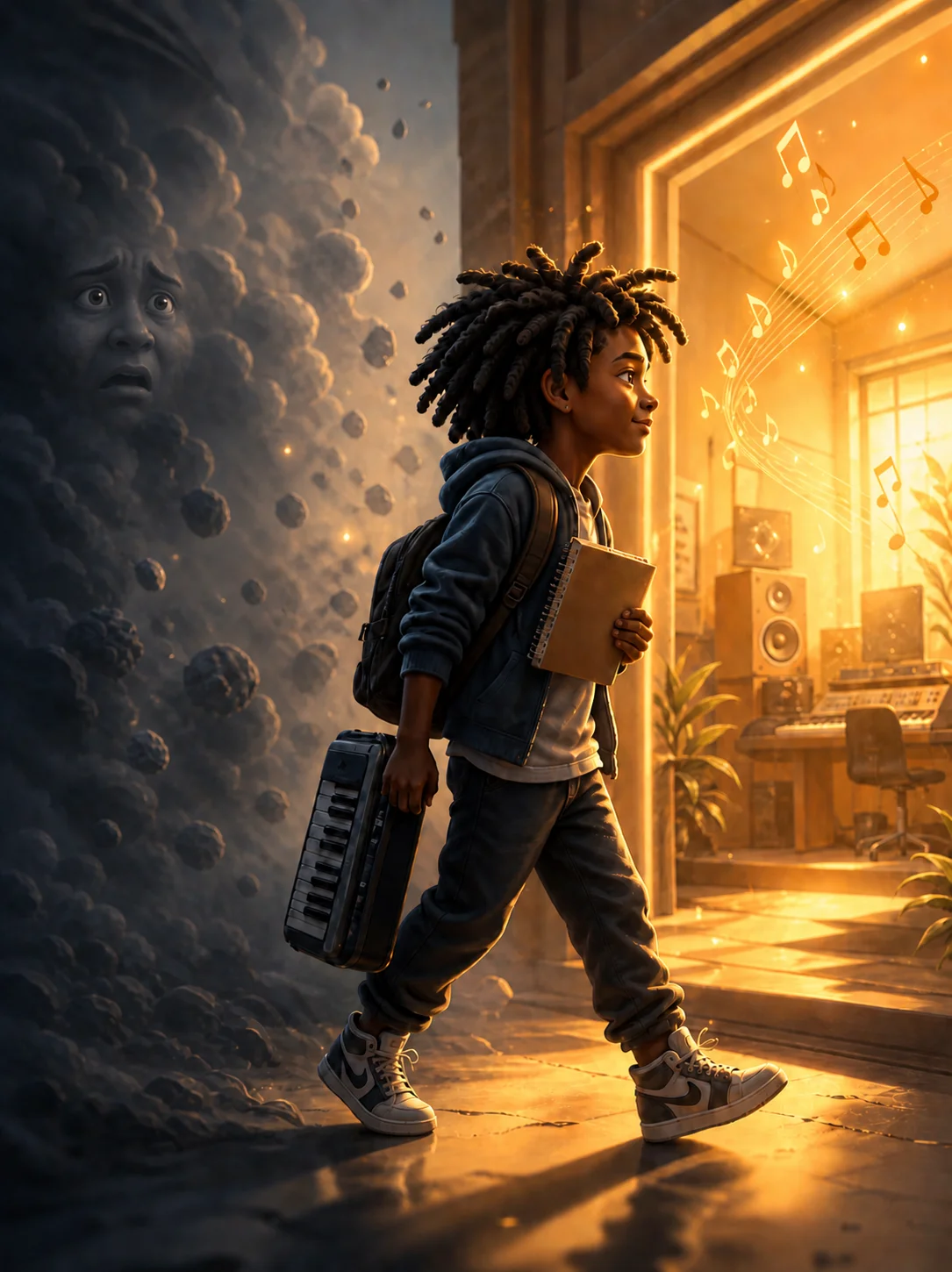
Fear Was There, But It Couldn’t Lead
In order for me to move forward, I had to accept that I would be experiencing a certain level of fear in the background of my mind while doing the score. That fear did not completely disappear at first. It was there, quietly hanging around while I was trying to figure things out.
But I was persistent about getting a score done for the project. Eventually, I realized that persistence is what overshadowed the fear. I became so locked in on doing the music score that I did not have time to sit there and listen to fear.
That became the lesson: fear may still be present, but it does not have to be louder than your hunger to finish what you started.
Someone may be curious about this subject. Can people succeed at something and still have that nagging fear feeling hanging around during the process? The answer is yes.
Many successful people may not talk about it openly, but fear can still coexist with them in the middle of success. The difference is that they have learned how to let their hunger to accomplish the goal overshadow the fear that is still trying to nag them in the back of their mind.
That is what I had to do. I wanted a score for the movie so much that it overshadowed that fear feeling.
“Fear may still be present, but it does not have to be the loudest voice in the room.”
When the Score Became the Narrator
When I began the musical scoring journey, I noticed and discovered something important: the music score is like a narrator of the movie.
Many of us moviegoers are not consciously aware of it when we watch a film, but a lot of times the score is telling us what is about to happen. It can also tell us what the characters are really saying emotionally, even when no words are coming out of their mouths.
The score can suggest who is on the way, where someone is going, what kind of feeling is entering the scene, or what emotion is sitting underneath the surface. It can create tension. It can create sadness. It can create hope. It can even warn the audience before anything happens visually.
So for the first time, I had to take music and make it become the narrator of the movie.
Painting Emotion With Music
It was different, but it was also fun. It felt like I had to take music and approach it almost like a painting artist. Instead of painting with colors, I had to paint the musical emotion that belonged inside that scene.
That was a learning curve by itself.
When you are scoring a scene, you have to pay attention to more than just whether the music sounds good. You have to ask whether it belongs in that moment. Does it support the scene? Does it distract? Is it too much? Is it too empty? Is it leading the audience in the right emotional direction?
That kind of thinking made me appreciate film scoring on a deeper level. It made me realize that the score does not have to be complicated to be powerful. Sometimes the right sound at the right moment can say more than a full song.
That is why it became a great experience — one that I would love to do again and have decided to do with other projects in the future.
What changed for me during this process?
I stopped looking at music only as a song or beat. I started looking at music as a storytelling tool — something that could guide the viewer through emotion, tension, character, and transition.
Soundtracks vs. Score for a Scene
There was a difference between them. They are similar in some ways, but the approach I experienced was not the same.
For example, a song may clutter a scene. It can be too much or too busy. A musical score, on the other hand, may only need one piano note, one drum sound, one tambourine hit, or even one triangle sound to express the emotion of a scene.
There are major blockbuster movies that have music scores built around only two notes going back and forth, and yet those notes can have a major impact. That showed me that there is definitely a difference between doing a music score and placing a soundtrack song into a scene.
A soundtrack song can bring energy, identity, or a full lyrical feeling. But a score can move underneath the scene in a quieter way. It can support the emotion without getting in the way of what the viewer is watching.
When Less Music Says More
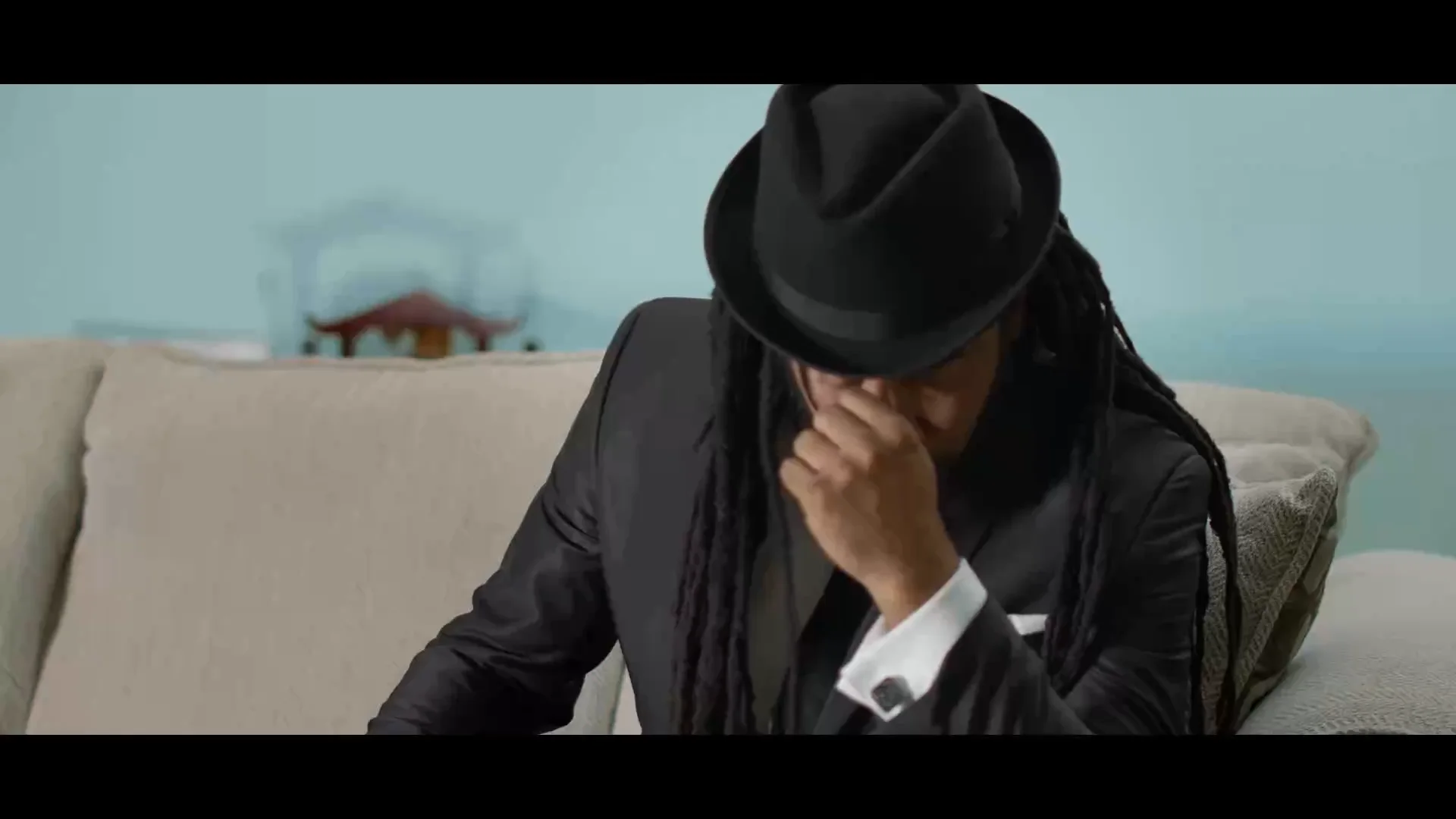
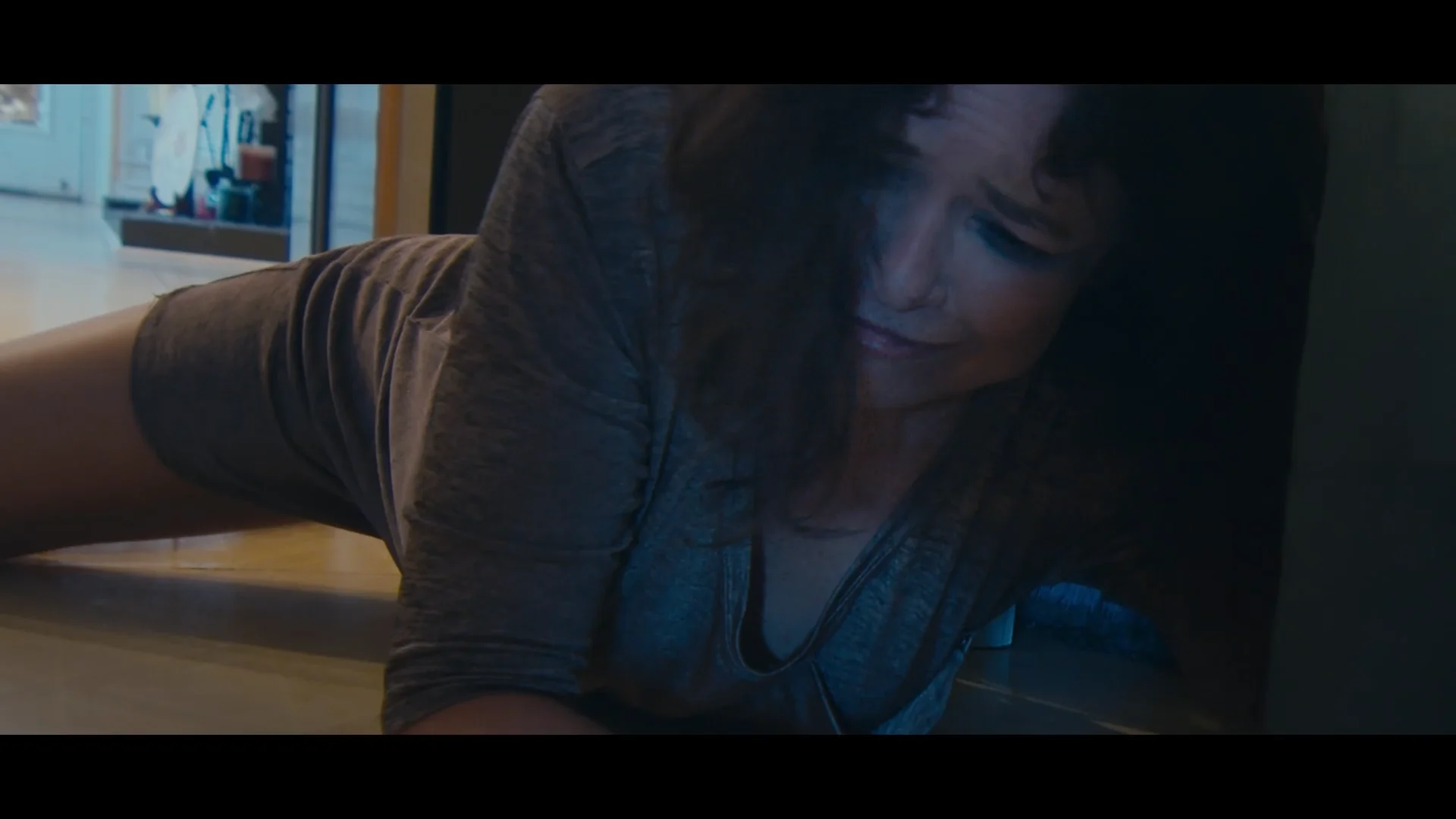
There is a scene in the movie where the character is suicidal, and scoring that moment felt more fitting than using a full song. I believe a song could have worked, but in that emotional moment, a score did not get in the way.
It complemented the emotion of the character.
That is one thing I learned through the process. Sometimes the score is powerful because of what it does not do. It does not have to compete with the actor. It does not have to dominate the scene. It can simply sit underneath the moment and help the audience feel what the character may not be able to say.
In that kind of scene, space matters. Silence matters. A small sound can matter. The wrong song might pull too much attention toward itself, while the right score can gently support what is already happening emotionally.
Music Themes
When you have principal characters, usually a musical theme is associated with a character. In some cases, the theme may be connected to a certain environment, a certain lifestyle, or a certain emotional state the character is about to enter.
That became something I had to think about while scoring Double Lives.
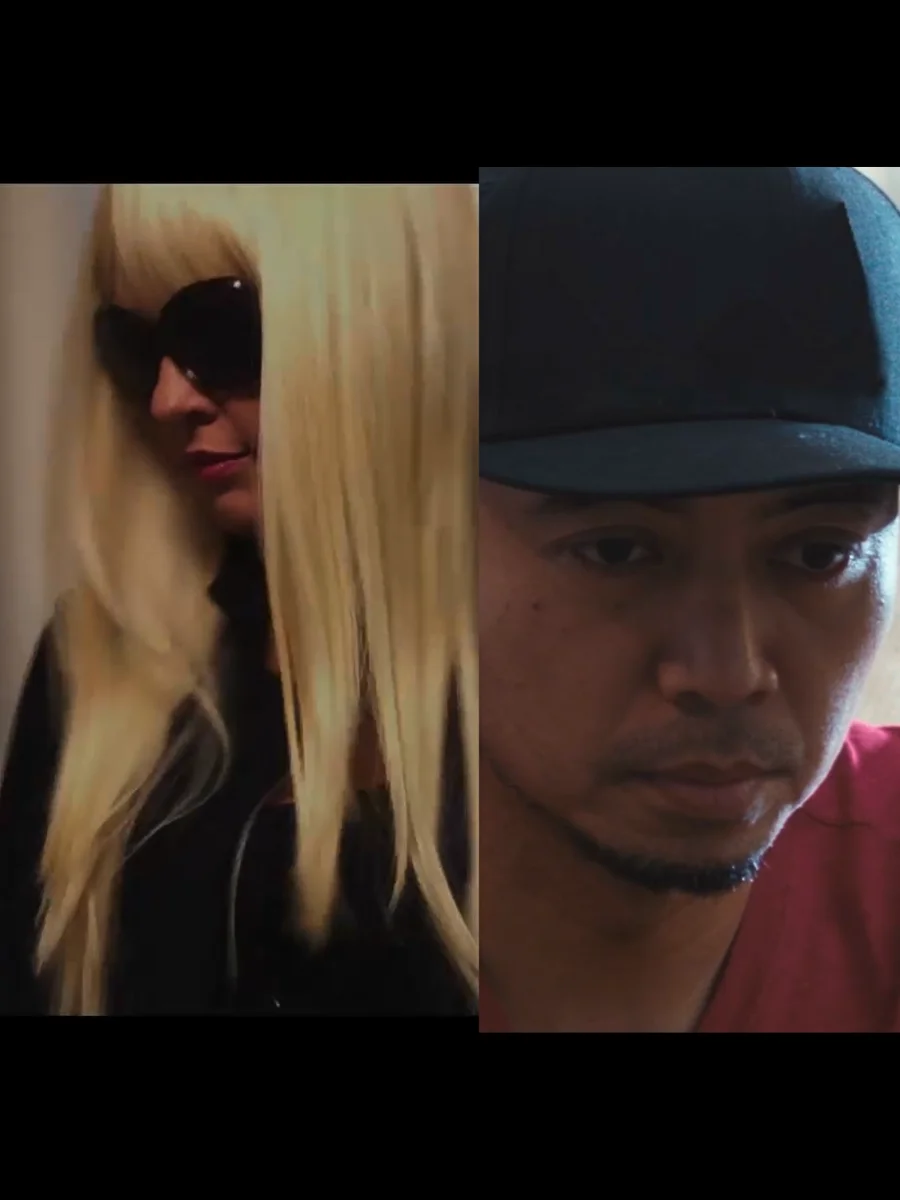
For example, the female character struggles with herself while trying to live a normal life. But at times, she transitions back into another life she was living as an escort. So when that escort-related side of the story appears, the theme music can come in and help signal that shift.
The music helps the audience feel that something has changed. It can mark the emotional world of that character without having to explain everything through dialogue.
That is another reason scoring became interesting to me. It allowed the music to become attached to identity, atmosphere, and transformation.
Key Takeaways
- Film scoring came with a different kind of first-time fear.
- Persistence helped overshadow the fear that was still present.
- A score can act like the narrator of a movie.
- Soundtrack placement and scoring are connected, but they serve scenes differently.
- Sometimes one simple sound can carry more emotion than a full song.
Transitions
While scoring, I began to notice the purpose of music transitions. They kind of work like a video fade into another scene.
A transition can create a feeling of what is about to come next. It can prepare the viewer before they even see anything new on the screen. That was something I started paying closer attention to during this process.
Music can help bridge one moment into another. It can gently carry the emotion from one scene into the next scene. It can also shift the audience into a different feeling, depending on what the story is about to reveal.
That made me realize that scoring is not only about individual scenes. It is also about how those scenes connect. The music can become the glue that helps the story flow from one emotional moment to the next.
What Scoring Taught Me
- Accept that fear may be present, but let an ambitious mindset overshadow it.
- Think of the score as part of the storytelling voice.
- Use music to support the emotion, not overcrowd the scene.
- Let character themes help identify emotional shifts.
- Use transitions to guide the viewer from one moment to the next.
The Experience Changed How I See Music
This scoring experience changed the way I see music inside a movie. Before, I already understood that songs could create feeling and help define a scene. But scoring showed me something different.
It showed me that music can operate underneath the surface.
It can whisper instead of shout. It can suggest instead of explain. It can help the audience feel what is happening before the story fully reveals it. That is a different kind of creative responsibility.
And even though it came with pressure, I am glad I pushed myself into it. Sometimes the only way to learn a new creative lane is to step into it while you are still nervous. You may not feel fully ready, but once you start moving, the understanding begins to come.
That is where the “Just Do It” mindset came in for me. Not because fear was gone, but because the goal became stronger than the fear.
What’s Next
Next month’s June Topics issue will be a head-scratching subject that everyone is talking about — and it has changed the music world like a storm.
Check it out in June.
Written by NoName Musik Group
Real-world music, real-world film experience, and monthly reflections from inside the creative process.
Revisit a Previous Music Topic
From the Archive
Breaking Mental Barriers
Revisit the April Music Topics feature about pushing through first-time creative fear and placing music into a movie for the first time.
Read Previous Article →No Boundaries. Just Music.
At NoName Musik Group, we create soundtracks that transcend borders and genres. From films and documentaries to games and global media, our music connects cultures and powers stories.